Feed x Sonica Sarna: the power of supporting female artisans
We are happy to share excerpts from a write up by our brand partner Feed Projects about our collaboration. Read more below
As conscious consumers, we all want to support products and companies that align with our values — women-owned, women-led, sustainable, artisan-made, hand-made, and socially impactful.
When it comes to artisan-made goods, we understand how uniquely powerful our hand-made offerings are and how meaningful their double impact can be. But do you know why and how we support female artisans? Women are the backbone of many communities, homes, and families. So how does buying goods made by female artisans ripple out to benefit their children, their communities, and society as a whole?
We thought you might want to know more.
To explore this further, we asked our artisan partner, Sonica Sarna, to share more about the power of supporting female artisans — how we can recognize artisan-made goods produced under fair labor and pay conditions, support women makers, and provide resources that empower them to access equal opportunities within their communities and marketplaces.
We believe that the power to be a true conscious consumer lies in information and transparency. We’re thrilled to have interviewed Sonica so we can pass this insight on to you. When we become more informed, everyone benefits.
Question & Answers
Q – In your experience, what is the unique impact of training and supporting female artisans, versus men?
A – Female artisans almost always save a large portion of their income and invest it in their children’s education. As a result, their daughters can stay in school longer, and the women gain respect within their families, communities, and society.
Q – Without programs like #Projecthrive, what jobs or opportunities would be available to women in Delhi?
A – The women we work with live in slums that lack natural light, running water, and access to sanitation. Without training, they would likely work in sweatshops as thread cutters, without the chance to build competitive, marketable skills.
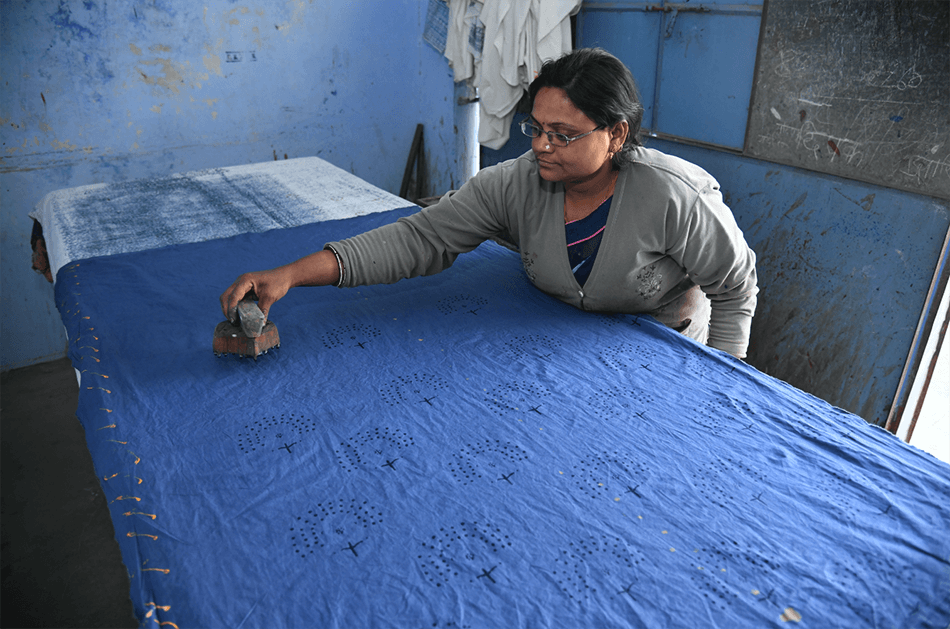
Q – What training is offered as part of #Projecthrive?
A – The women complete a three-month paid industrial sewing training program. At the end of it, they qualify for well-paying jobs as skilled tailors.
Q – How many women can participate in the program at a time?
A – We currently train 12 women at a time, though our center has the capacity to scale up to 30 participants.
Q – What does the average day of an artisan look like?
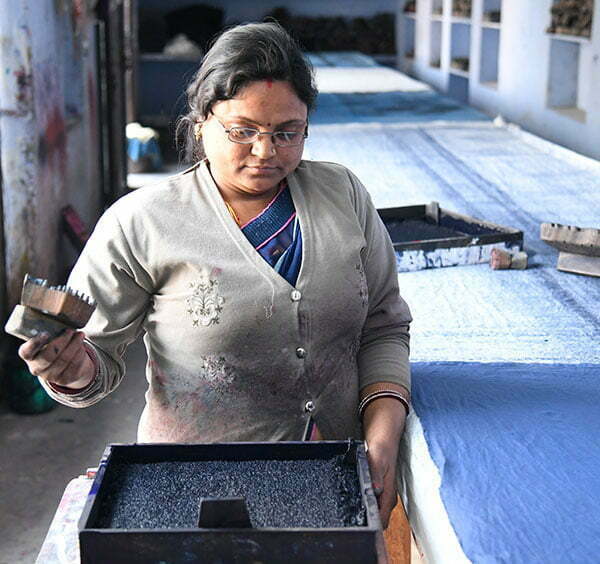
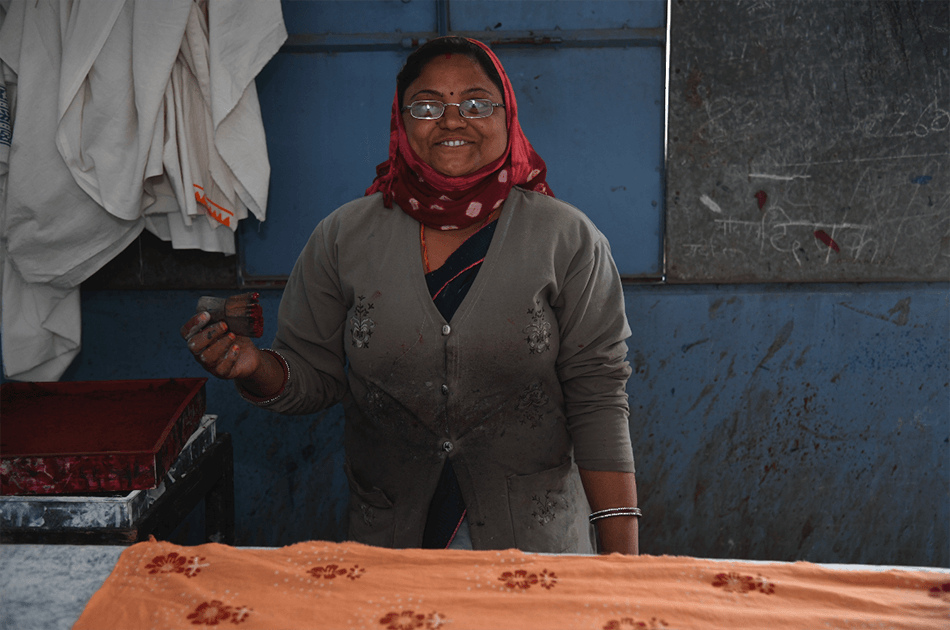
A – Most artisans work six to eight hours each day in workshops located within their communities, so they can walk to work. Many block print partners are husband-and-wife teams who work side by side. However, women typically wake up much earlier — they cook for their families, send their children to school, work at the workshop, and then return home to care for their families again in the evening.
Q – After the training program, if they do not choose to work with Sonica, what might they go on to do? What new opportunities are opened up to them?
A – They can get jobs at any export factory or sewing unit. We are situated in the industrial area so there are a lot of factories in the region they can apply to for jobs.
Q – What can we do as consumers to identify and support female artisan groups that are progressive and fair?
A – Pay attention to what brands share about their supply chains, and support those that are transparent. Ask questions about how products are made and who makes them. Voice your support for women in the supply chain and educate other consumers. Every time you make a purchase, you cast a vote for the kind of world you want to support — so use that power consciously and proudly.
Reach us at outreach@sonicasarna.com to learn more about how you can make a difference through your business.